

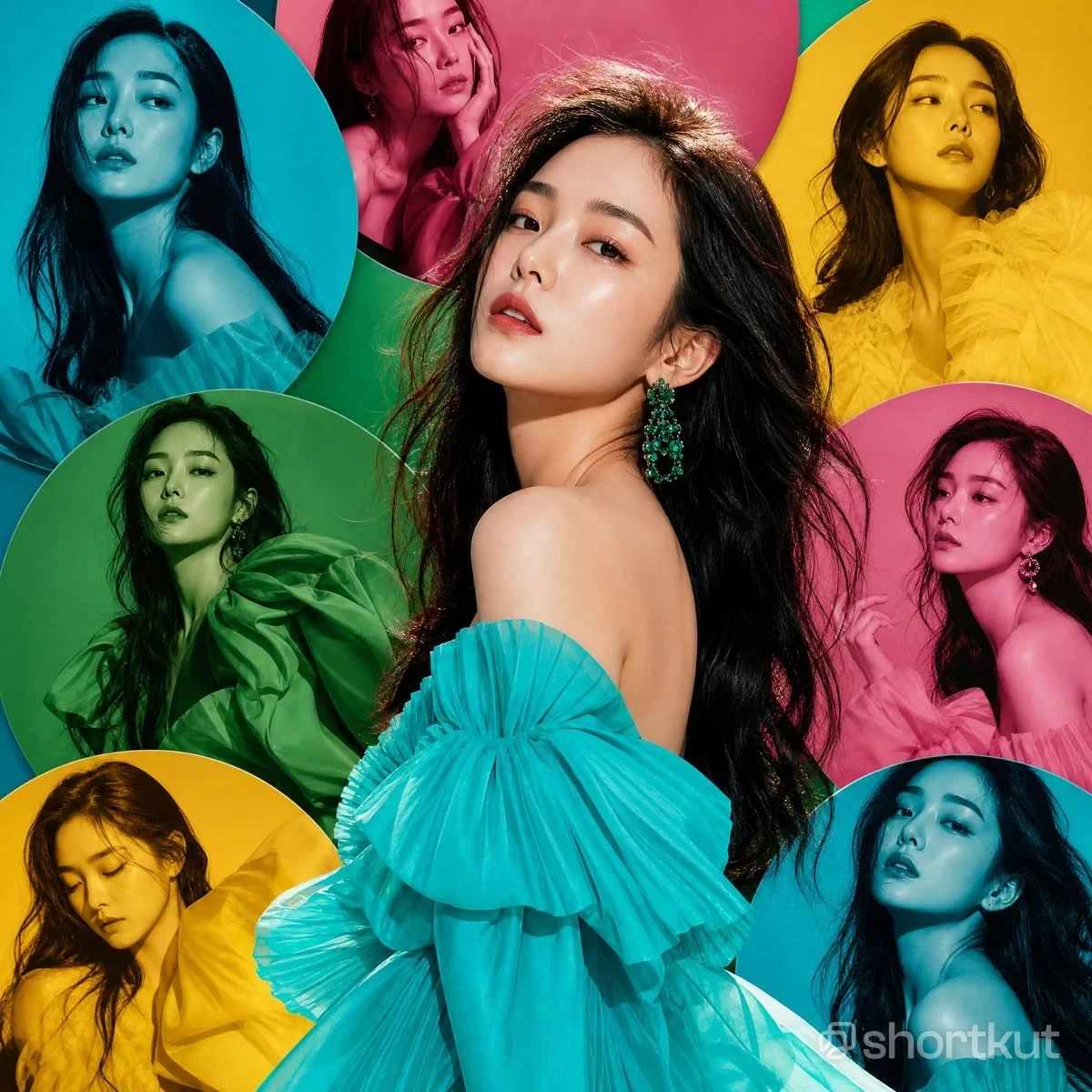
High Fashion Vertical Editorial Artwork
Create a photorealistic high-fashion portrait collage using the uploaded photo as the sole identity reference. Build the entire composition from the description below; no additional reference image is needed.FACE AND IDENTITY — HIGHEST PRIORITYUse the same person from the uploaded photo in every portrait. Preserve their facial structure, proportions, eyes, eyebrows, nose, lips, jawline, cheeks, skin texture, age, and distinguishing marks. Preserve their hairline, hair color, and facial hair where present.Do not beautify, reshape, slim, smooth, or replace their face with a generic model. Keep natural asymmetry. For the main portrait, retain the uploaded face’s expression, gaze, and head angle wherever possible, adapting the body pose around it. Preserve original face pixels where the editing system supports this.The smaller portraits must remain recognizably the same person. If a different head angle or expression would compromise identity, reuse the original facial angle and create variety through cropping, shoulder position, clothing, and color treatment instead. Colored overlays may tint the face, but must not change its features.CANVAS AND COMPOSITIONSquare 1:1 canvas. Create a dense, edge-to-edge editorial collage containing exactly eight appearances of the same person: one large central portrait in natural color and seven smaller portraits inside overlapping circular panels.The central portrait is the dominant foreground layer, overlapping the circles and concealing portions of their edges. Frame it from the top of the head to approximately the waist, with the gown cropped by the bottom edge. Position the head near the upper center, the face around 52% across and 27% down the canvas. Let the shoulders, hair, and sculptural dress fill the center and lower half.Use crisp circular masks with fine, pale outlines. Several circles extend beyond the canvas edges. Fill gaps with saturated emerald-green and teal shapes. No white margins or empty background.CENTRAL PORTRAITPose the body in a three-quarter turn with one bare shoulder toward the camera and the face looking back toward the viewer, provided this is compatible with the uploaded face’s angle. Keep a poised, relaxed expression without changing the person’s original facial features.Preserve the person’s hairstyle and length. For long hair, allow loose, softly tousled strands to fall behind the shoulders and along the viewer’s right side. For short hair, retain its natural shape and use the background circles to balance the composition.Dress the person in a vivid turquoise off-the-shoulder couture gown made from translucent, finely pleated organza. Create oversized fan-shaped ruffles around the upper arms and bodice, layered into large sculptural folds. The fabric expands across the bottom of the canvas, with crisp pleat ridges, translucent edges, bright cyan highlights, and deeper teal shadows.Add an ornate emerald-green chandelier earring at the visible ear: clustered green gemstones in a dark metallic setting, extending toward the neck.Keep the central face in natural skin color, with realistic texture and controlled highlights. Do not apply the surrounding monochrome color treatments to it.SEVEN CIRCULAR BACKGROUND PORTRAITSArrange these behind the central figure. Positions are approximate percentages of the square canvas; circles are deliberately cropped at the edges.1. UPPER LEFT — CYANLarge circle centered near 12% across and 20% down, approximately 44% of the canvas width. Show a close shoulder-up portrait with a bare shoulder and sheer ruffled fabric. Apply a strong cyan-blue monochrome treatment, retaining dark hair and detailed facial shading.2. TOP CENTER — PINKCircle centered near 49% across and 7% down, approximately 49% of the canvas width. Crop it at the top and partially conceal it behind the main head. Show a close portrait with a hand resting lightly beside the cheek, without covering facial features. Apply a saturated rose-pink monochrome treatment.3. UP


 Soon